
Author: Millermarker

The Moving Process: A Roadmap to a Stress-Free TransitionThe Moving Process: A Roadmap to a Stress-Free Transition

Moving to a new home is one of life’s most exciting and challenging experiences. Whether you're upgrading to a bigger space, relocating for a new job, or simply seeking a change of scenery, the process of moving often comes with its own set of obstacles. From organizing belongings to coordinating logistics, there’s a lot to consider. However, with the right approach and a clear plan, moving doesn’t have to be a source of stress. In this article, we’ll guide you through a step-by-step process to make your move as smooth and efficient as possible, allowing you to focus on the exciting possibilities your new home offers.

1. Start Early: The Key to Avoiding Chaos

One of the most important aspects of a successful move is giving yourself enough time to prepare. Last-minute rushing often leads to forgotten tasks, misplaced items, or a chaotic moving day. To avoid these pitfalls, start the moving process as early as possible.

  • Create a Timeline: The first step is to set a date for your move and work backward to create a timeline. Break down the tasks you need to accomplish by weeks or even days. For example, aim to book movers or rent a truck several weeks in advance, and give yourself enough time to pack each room in phases.

  • List Your Priorities: Identify key tasks that need to be completed early in the process, like scheduling utility disconnections and making travel arrangements. Tackling these tasks early will prevent stress later on.

  • Set Realistic Goals: Rather than trying to accomplish everything at once, break up your to-do list into manageable chunks. Try focusing on specific tasks each day, such as packing one room or sorting through old paperwork. This will keep you from feeling overwhelmed.

2. Declutter: A Fresh Start Begins with Less Stuff

Moving is the perfect opportunity to assess the things you’ve accumulated over the years. Whether it’s clothes you no longer wear, outdated electronics, or unused kitchen gadgets, decluttering your belongings can significantly reduce the stress of packing and unpacking.

  • Sort Through Your Items: Go room by room and evaluate everything you own. Separate your belongings into categories: keep, donate, sell, or throw away. Be honest with yourself—if you haven’t used an item in the past year, it's time to let it go.

  • Downsize and Simplify: Consider donating or selling items that are still in good condition but no longer serve a purpose in your life. Not only will this lighten your load, but it will also make your new home feel more organized and fresh.

  • Sell Unwanted Items: If you’re looking to offset some of your moving costs, hold a garage sale or sell items online. Old furniture, clothes, or electronics that you no longer need could be a great way to earn a little extra cash.

3. Packing: Smart Strategies for an Efficient Move

Once you've decluttered and organized, it’s time to start packing. Proper packing is essential to ensuring that your belongings are safe and that the unpacking process is as smooth as possible.

  • Pack Early, Pack Smart: Start packing non-essential items weeks in advance. Think about items you won’t need until after the move, such as seasonal decorations, books, or extra kitchen gadgets. Leave daily essentials, like toiletries and clothes, until the final days.

  • Use Quality Packing Materials: Invest in sturdy boxes, packing tape, bubble wrap, and labels. Fragile items, such as glassware or electronics, should be packed with extra care, using bubble wrap or other cushioning materials. Be sure to label boxes with both the room they belong to and a brief description of the contents to make unpacking easier.

  • Pack Room by Room: To stay organized, pack one room at a time. This will help you focus on specific tasks and keep everything organized. Labeling boxes with the room and contents will make unpacking a breeze.

  • Maximize Your Space: Utilize suitcases, backpacks, and laundry baskets for packing soft items like clothes or linens. These containers can often hold more than traditional boxes and are easy to transport.

4. Logistics: The Moving Details That Matter

The logistics of the move are often what can make or break the experience. From coordinating transportation to ensuring your utilities are connected in the new home, paying attention to the details will help the move go smoothly.

  • Hire Movers or Rent a Truck: If you’re handling the move on your own, renting a truck is an essential step. For larger moves, or if you prefer a less hands-on approach, hiring professional movers is a great way to relieve some of the physical labor. Be sure to get quotes from different moving companies and check reviews before making a decision.

  • Set Up Utilities in Advance: Make sure to arrange for your utilities (water, electricity, gas, internet) to be transferred to your new home in advance. This can prevent any delays or disruptions when you arrive at your new home.

  • Notify Key Parties: Change your address with the post office, banks, credit card companies, and any subscription services you use. Make sure your new address is reflected on any important documents so you don’t miss essential mail.

5. Moving Day: Managing the Chaos

The big day has arrived. Moving day can often feel like a whirlwind of activity, but with proper planning, it doesn’t have to be overwhelming.

  • Stay Organized: Having a clear plan for the day is critical. Assign specific roles to family members or friends, if you have help, so everyone knows what to do. This will keep everything running smoothly and prevent confusion.

  • Keep Essentials Close: Pack a bag or box with essential items such as toiletries, medications, chargers, and important documents. This will ensure that you have everything you need right away, rather than having to hunt for it amidst packed boxes.

  • Take Care of Your Pets: If you have pets, make sure they are taken care of during the move. Consider arranging for a friend or family member to look after them during the chaos, or make sure they are safely transported to your new home.

  • Take Breaks and Stay Positive: Moving can be physically and mentally exhausting, so make sure to take breaks when necessary. Stay hydrated, keep a positive attitude, and remind yourself that the effort will pay off in the end.

6. Settling In: Making Your New Home Feel Comfortable

After the truck has been unloaded and the dust has settled, it’s time to start making your new space feel like home.

  • Unpack the Essentials First: Start with the most essential areas, like the kitchen and bathroom, so you can quickly make the space functional. Once those areas are settled, move on to the bedrooms and living rooms.

  • Organize Your Space: Take your time to figure out where everything should go. Don’t rush the process—sometimes, it takes a few days or weeks to find the most functional and comfortable setup. Add personal touches like artwork, family photos, and comfortable furniture to make the space feel more inviting.

  • Get to Know Your New Area: Explore your new neighborhood, find local shops, parks, and restaurants. Familiarize yourself with the area to help make the transition smoother and build a sense of community.

7. Post-Move Considerations: Wrapping Up the Process

Once you’re settled in, there are still a few post-move tasks to complete to ensure everything is taken care of.

  • Check in with Utility Providers: Ensure all your utilities are functioning properly. If something isn’t working, contact the providers immediately to resolve the issue.

  • Review Your Move: If you hired a 搬運公司 company, leave a review to help others. Also, reflect on what went well during the process and what you might do differently next time. This can help you improve for future moves.

  • Enjoy Your New Space: Once everything is in place and all the boxes are unpacked, take time to appreciate your new home. Celebrate the hard work that went into making it yours and take in the excitement of starting fresh in a new environment.

Conclusion

While moving can be overwhelming, it doesn’t have to be a stressful ordeal. By planning ahead, staying organized, and embracing the excitement of change, you can turn the process into a positive experience. Whether it’s your first move or your fiftieth, with the right approach, you’ll be able to handle everything that comes your way and ultimately create a new space where you can thrive.
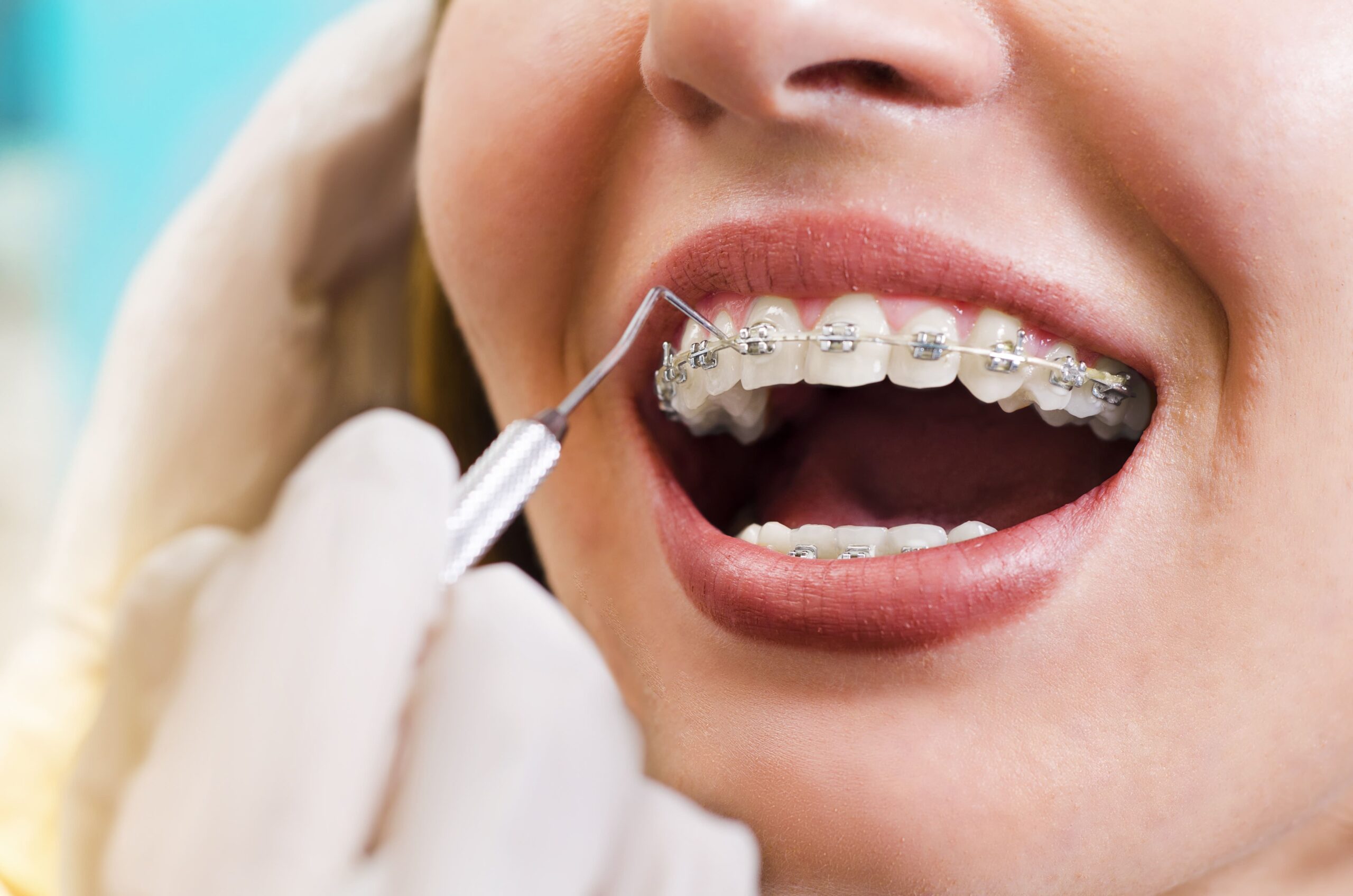
Metro Dental Hong Kong: Your Trusted Destination for Quality Dental CareMetro Dental Hong Kong: Your Trusted Destination for Quality Dental Care

A healthy and beautiful smile enhances confidence and overall well-being. At Metro Dental Hong Kong, patients receive top-quality dental care from experienced professionals using cutting-edge technology. With multiple locations across the city, Metro Dental offers accessible, affordable, and expert dental services to meet all your oral health needs.

Why Choose Metro Dental?

Metro Dental is a leading dental provider in Hong Kong, known for:

Multiple Convenient Locations – Clinics in Tsim Sha Tsui, Mong Kok, Yuen Long, Tseung Kwan O, and more.

Highly Skilled Dentists – A team of expert general dentists, orthodontists, implant specialists, and pediatric dentists.

Advanced Technology – State-of-the-art 屯門牙醫 equipment ensures accurate diagnoses and effective treatments.

Comprehensive Dental Services – Everything from routine check-ups to specialized treatments in one place.

Comfortable & Safe Environment – A patient-centered approach with pain-free treatment options.

Comprehensive Dental Services Offered

1. Preventive & General Dentistry

  • Regular check-ups and professional teeth cleaning
  • Fluoride treatments to strengthen enamel
  • Digital X-rays for early diagnosis of dental problems

2. Cosmetic Dentistry

  • Teeth Whitening: Get a bright, radiant smile with professional whitening treatments.
  • Veneers: Enhance the shape and color of your teeth with custom ceramic veneers.
  • Smile Makeovers: Aesthetic procedures tailored to improve your smile.

3. Restorative Dentistry

  • Tooth-Colored Fillings: Natural-looking restorations for cavities.
  • Crowns & Bridges: Durable solutions to restore damaged or missing teeth.
  • Dentures: Comfortable options for partial or full tooth replacement.

4. Orthodontics & Teeth Straightening

  • Traditional Braces: Effective for correcting misaligned teeth.
  • Invisalign & Clear Aligners: Nearly invisible treatment for a straighter smile.
  • Retainers: Maintaining the perfect alignment of your teeth post-treatment.

5. Dental Implants & Oral Surgery

  • Dental Implants: A permanent and natural-looking solution for missing teeth.
  • Wisdom Tooth Extraction: Safe removal of impacted wisdom teeth.
  • Bone Grafting: Strengthening the jawbone for implant placement.

6. Gum Disease Treatment

  • Scaling & deep cleaning to prevent and treat gum infections.
  • Laser gum therapy for faster healing and improved results.
  • Treatment for bleeding gums, recession, and periodontal issues.

7. Pediatric Dentistry

Metro Dental provides specialized dental care for children, ensuring a comfortable and friendly experience to promote lifelong oral health habits.

State-of-the-Art Dental Facilities

Metro Dental’s Tsim Sha Tsui flagship clinic is a government-approved day procedure center, offering monitored anesthesia care for complex treatments like dental implants and wisdom tooth extraction, ensuring maximum patient comfort.

A Patient-First Approach

Metro Dental is dedicated to delivering painless, stress-free dental experiences. Their team prioritizes clear communication, ensuring every patient understands their treatment options. They also accept healthcare vouchers to make quality dental care accessible.


The Art and Essence of Erotic Massage: Cultivating Intimacy and PleasureThe Art and Essence of Erotic Massage: Cultivating Intimacy and Pleasure

Erotic massage is a deeply sensual and transformative practice that merges the therapeutic benefits of touch with the intimate exploration of desire, relaxation, and connection. It’s an experience that transcends the physical body, offering profound emotional and psychological rewards. While often associated with sexual intimacy, erotic massage is more than just a precursor to sexual activity. It is a form of art, a ritual of mutual care, and a journey of self-awareness and emotional closeness.

In this article, we explore the essence of erotic massage, its benefits, the techniques that make it unique, and how to create a safe and fulfilling environment for this intimate experience.

What is Erotic Massage?

Erotic massage is the intentional use of touch to stimulate both the body and the senses, with an emphasis on pleasure, connection, and the cultivation of sexual energy. While a regular massage is focused on relieving muscle tension, stimulating circulation, and promoting general relaxation, tantric massage hong kong takes things a step further by drawing attention to the skin's sensitivity and the sexual energy that resides within the body.

It is not necessarily about achieving orgasm but more about the act of mutual exploration, deepened connection, and awakening heightened sensations in areas of the body that might otherwise be ignored. Erotic massage aims to engage the whole being—physical, emotional, and spiritual—by creating a space where individuals can fully embrace their own sensuality and connect intimately with a partner.

The Transformative Benefits of Erotic Massage

Erotic massage offers an array of benefits that extend beyond the physical and into the emotional and spiritual realms. Here are just a few reasons why this practice is so powerful:

1. Deepens Emotional Connection

One of the most important benefits of erotic massage is the way it fosters intimacy. When two people engage in such a deeply personal and vulnerable act, they are bound to strengthen their emotional connection. Through touch, they are communicating love, care, and attentiveness, which can deepen trust and affection. For many couples, the experience becomes an opportunity to rediscover each other in new, exciting ways.

2. Heightens Sensual Awareness

Erotic massage helps increase bodily awareness, encouraging individuals to tune into their physical sensations and emotional responses. It can awaken dormant sexual energy, improve libido, and create a stronger sense of self-appreciation. By focusing on slow, deliberate strokes, the body is encouraged to relax and let go of tension, allowing sensuality to emerge naturally.

3. Reduces Stress and Promotes Relaxation

Like any form of massage, erotic massage is an excellent way to alleviate stress and promote relaxation. The slow, methodical touch of an erotic massage encourages the body to release physical tension while simultaneously calming the mind. The result is a blissful state of tranquility, where both parties can feel free of daily pressures and fully immerse themselves in the experience.

4. Increases Sexual Satisfaction

Erotic massage can serve as a form of foreplay, building sexual arousal and anticipation. The heightened focus on touch and sensation can stimulate erogenous zones, creating a powerful sense of arousal and leading to a more fulfilling sexual experience. The use of oils or lotions further enhances the sensory experience, leaving the skin feeling soft and tender.

5. Improves Communication and Trust

By engaging in an erotic massage, partners open the door to better communication. Discussing what feels good, what boundaries exist, and what desires are being explored all help build a healthy foundation for intimacy. It’s an opportunity for individuals to express their needs and desires while feeling listened to and respected.

Essential Techniques in Erotic Massage

Erotic massage isn’t about rushing through the process; it’s about slowing down and being present. The following techniques are commonly used in erotic massage to stimulate the senses, increase pleasure, and enhance intimacy.

1. Feather-Light Strokes

One of the signature techniques of erotic massage is the feather-light stroke. This involves using soft, barely-there touches to elicit an almost ticklish sensation across the skin. This technique enhances sensitivity and heightens the arousal of nerve endings, particularly in sensitive areas like the neck, back, and thighs. It’s a way to build anticipation and awaken the body to the pleasures that await.

2. Kneading and Circles

For a more invigorating sensation, kneading and circular movements can be used, especially on the back, shoulders, or legs. These motions help relax muscles and stimulate blood flow while intensifying physical awareness. When applied to erogenous zones, gentle kneading can elicit feelings of pleasure and intimacy.

3. Tapping and Light Patting

Tapping or light patting can be used to gently stimulate the skin and arouse the senses. This technique often brings a light, rhythmic quality to the massage, which can be especially effective when moving over the body’s more sensitive areas, such as the inner thighs, chest, or abdomen.

4. Targeting Erogenous Zones

Throughout the body, certain areas are more sensitive to touch than others—these are known as erogenous zones. These areas, such as the neck, inner thighs, wrists, and earlobes, can be carefully massaged to increase arousal and pleasure. Erotic massage involves paying attention to these sensitive areas, allowing for heightened sensations that build sexual energy.

5. Slow, Mindful Movements

One of the key elements of erotic massage is its deliberate, slow pace. The slower you move, the more mindful you become of your touch and the sensations that arise. This method of massage encourages patience and mindfulness, allowing each stroke to be savored. The key is to connect with the rhythm of your partner’s body, responding to their cues and reactions as you go.

Setting the Stage for Erotic Massage

The experience of erotic massage begins long before the massage itself. It’s about creating the right atmosphere, setting intentions, and ensuring that both parties are comfortable and ready for a shared experience. Here’s how to set the scene for a successful and enjoyable erotic massage:

1. Create a Sensual Environment

A key element of an erotic massage is the setting. Dim the lights, use candles, or light some incense to bring warmth and intimacy to the space. Soft, ambient music can help relax both partners and foster a sensual atmosphere. Make sure the space is comfortable, quiet, and free from distractions.

2. Discuss Desires and Boundaries

Before you begin, have an open conversation about what you both want from the experience. Are you seeking relaxation, connection, or heightened pleasure? Talk about boundaries, areas of the body that are off-limits, and any specific preferences or techniques that you would like to explore. This ensures that the experience will be safe, consensual, and satisfying for both individuals.

3. Use High-Quality Massage Oils or Lotions

Choosing the right massage oil is essential for a smooth, pleasurable experience. Opt for a product that is non-greasy and suitable for the skin. Many people prefer oils with relaxing scents like lavender or sandalwood, which enhance the mood. Applying the oil slowly can be part of the ritual, helping both parties feel more connected and relaxed.

4. Focus on Communication

Erotic massage is a two-way experience. Constant communication is essential to ensure that both parties are enjoying the experience. It’s important to check in with your partner, asking about pressure, comfort, or any areas of sensitivity. Remember, erotic massage is about exploration, so keep the conversation open, honest, and respectful.

Conclusion: The Beauty of Erotic Massage

Erotic massage is an intimate and nourishing experience that offers much more than physical pleasure. It can serve as a path to greater emotional connection, personal exploration, and the awakening of sexual energy. By cultivating trust, practicing mindfulness, and focusing on the art of touch, erotic massage becomes a transformative experience for both the body and the mind.

Whether you are exploring it as a couple or discovering it as a personal journey, erotic massage is an invitation to indulge in the sensuality of touch, communication, and deep connection. It reminds us of the power of presence, the beauty of touch, and the profound impact that intimacy and pleasure can have on our overall well-being.


The Rise and Impact of E-Payment: A Comprehensive OverviewThe Rise and Impact of E-Payment: A Comprehensive Overview

In the digital age, the way people make payments has undergone a significant transformation. Gone are the days when cash and checks were the only viable options for transactions. With the advancement of technology, Electronic Payments (E-Payments) have emerged as a dominant and convenient way for individuals and businesses to conduct financial exchanges. This article explores what E-Payment is, its types, benefits, challenges, and the future trends that will shape the digital payment landscape.

What is E-Payment?

手機支付 refers to the process of making transactions or payments electronically, without the need for physical currency or paper-based methods like checks. E-payments can be made through various devices such as computers, smartphones, or specialized terminals. These payments typically involve the transfer of money between two parties using an online platform, payment gateway, or mobile application.

Types of E-Payments

E-payments can be broadly classified into several types, each offering unique features and catering to different needs. Some of the most common types include:

  1. Online Bank Transfers: These payments involve direct transfers from one bank account to another using online banking services. It's commonly used for both business transactions and personal transfers.

  2. Credit/Debit Cards: Payment cards (Visa, Mastercard, American Express, etc.) are one of the most widely used methods of electronic payment. These cards allow users to make payments online or at physical points of sale, linked directly to the user’s bank account or credit line.

  3. E-Wallets: E-wallets (such as PayPal, Google Pay, Apple Pay, and Venmo) store users' payment information and funds digitally. These wallets enable users to make quick and easy transactions without the need for physical cards.

  4. Mobile Payments: A subset of e-wallets, mobile payments allow users to pay for goods or services via their smartphones. Mobile payment systems like Samsung Pay and WeChat Pay have gained significant traction in various regions around the world.

  5. Cryptocurrency Payments: Cryptocurrencies such as Bitcoin, Ethereum, and others are emerging as alternative forms of payment. While still in the early stages of adoption, crypto payments provide decentralized, borderless transactions that are gaining acceptance globally.

  6. Direct Debits and Standing Orders: These are automatic payment systems where a fixed amount is transferred from one account to another at regular intervals, commonly used for recurring bills or subscription services.

Benefits of E-Payments

E-payments have revolutionized the way financial transactions are carried out, offering numerous advantages for both consumers and businesses.

  1. Convenience: One of the primary benefits of e-payments is the convenience they offer. Transactions can be completed from anywhere, at any time, using a computer or mobile device. There’s no need for users to visit physical locations or carry cash.

  2. Speed and Efficiency: E-payments are typically processed in real-time, reducing transaction times compared to traditional methods like checks or cash. This results in quicker settlement and enhanced cash flow for businesses.

  3. Security: Modern e-payment systems employ robust encryption techniques, multi-factor authentication, and fraud detection algorithms to protect sensitive data. These security measures make e-payments safer than carrying physical cash.

  4. Cost-Effective: For businesses, e-payments eliminate the need for handling cash or processing checks, reducing operational costs. Furthermore, digital transactions usually incur lower processing fees than traditional payment methods.

  5. Global Reach: E-payments have made it easier for businesses to expand their customer base internationally. Global e-payment systems allow consumers to make cross-border transactions in different currencies, breaking down geographical barriers.

  6. Record Keeping: E-payments automatically generate digital records of all transactions, making it easier for users to keep track of their financial activities. This is particularly useful for budgeting, tax purposes, and financial audits.

Challenges of E-Payments

Despite the numerous benefits, the adoption and use of e-payments are not without their challenges. Some of the key obstacles include:

  1. Security and Fraud Concerns: While e-payment systems are generally secure, they are not immune to cyberattacks, data breaches, or fraudulent activities. Consumers and businesses must remain vigilant about securing their devices and payment information.

  2. Digital Divide: Not everyone has access to the internet or smartphones, particularly in developing regions. The reliance on e-payments can marginalize individuals and communities that do not have the necessary infrastructure to participate in the digital economy.

  3. Regulatory Issues: E-payment systems must comply with local and international regulations to ensure consumer protection and prevent money laundering or terrorist financing. This regulatory environment is constantly evolving, creating challenges for businesses and service providers.

  4. Dependence on Technology: E-payment systems depend heavily on technology infrastructure, including stable internet connections and reliable payment gateways. Technical issues such as server outages, network failures, or system downtime can disrupt services.

  5. Privacy Concerns: E-payment platforms often collect personal data, raising concerns about privacy. Users may be reluctant to share sensitive financial information with digital platforms if they fear misuse or data theft.

The Future of E-Payments

The future of e-payments looks promising, with continuous advancements in technology and innovation driving new trends. Some key developments to watch include:

  1. Artificial Intelligence and Machine Learning: AI and machine learning are poised to enhance fraud detection, automate customer service, and provide personalized payment experiences. Smart algorithms will make transactions safer and more efficient.

  2. Blockchain and Decentralized Finance (DeFi): Blockchain technology, which underpins cryptocurrencies, is likely to play a significant role in transforming the payment industry. By providing a decentralized, secure, and transparent method of transaction, blockchain could reshape how money is transferred globally.

  3. Biometric Payments: The use of biometrics, such as facial recognition, fingerprints, and voice recognition, is becoming increasingly popular as a method of authenticating payments. These methods provide a more secure and convenient way to authorize transactions.

  4. Integration with IoT: The Internet of Things (IoT) could enable seamless payments through connected devices like wearables, smart appliances, and vehicles. For example, a smart fridge could automatically reorder groceries and make payments, all without user intervention.

  5. Greater Accessibility and Inclusion: With the rise of mobile payments and digital wallets, E-payments will become more accessible to underserved populations, especially in emerging markets. Innovations in mobile technology and fintech are helping bridge the digital divide and promote financial inclusion.

Conclusion

E-payments have revolutionized the way people conduct transactions, offering unmatched convenience, security, and global accessibility. As technology continues to evolve, the e-payment landscape is expected to become even more sophisticated, with new payment methods and innovations driving further adoption. While challenges remain, such as security concerns and regulatory complexities, the future of e-payments holds great promise for individuals, businesses, and the global economy.

The Enduring Allure of Diamonds: Nature’s Most Brilliant TreasureThe Enduring Allure of Diamonds: Nature’s Most Brilliant Treasure

Diamonds are often associated with luxury, wealth, and everlasting beauty, but they are much more than just an ornament for the rich and famous. As one of the most sought-after gemstones in the world, diamonds have a fascinating history, an intriguing formation process, and a wide range of applications that go far beyond jewelry. In this article, we will explore the allure of diamonds, their significance, how they are formed, and the various ways they shape our world today.

1. The Fascinating Formation of Diamonds

Diamonds are not just beautiful—they are nature’s most extraordinary creations. These brilliant gems form deep within the Earth under extreme pressure and heat. A diamond begins as a small carbon atom that, over millions of years, crystallizes into a dense, symmetrical structure. This process happens around 90 to 120 miles beneath the Earth’s surface, where the conditions are perfect for carbon atoms to bond together in a lattice that gives diamonds their legendary hardness.

These diamonds are eventually transported to the Earth’s surface through volcanic eruptions that carry them to the surface within kimberlite pipes. The mining process is challenging and costly, but the result is a natural gem that is cherished for its exceptional beauty and durability.

2. The Allure of Diamonds: From Luxury to Symbolism

Diamonds have always been symbols of power, wealth, and beauty. The ancient Greeks believed that diamonds were fragments of stars that had fallen to Earth, which gave them an ethereal quality. In India, diamonds were regarded as sacred and were often used in religious rituals, as well as for protection in battle.

Over time, diamonds became synonymous with status and affluence. The most famous example of this is the engagement ring, which in the modern world is often a symbol of love and commitment. The phrase "A diamond is forever," coined by the De Beers jewelry company in 1947, helped solidify diamonds as the ultimate representation of lasting love, contributing to their widespread popularity in engagement rings.

Beyond romantic symbolism, diamonds are also prized for their visual appeal and are often used in high-end fashion, seen in necklaces, earrings, and bracelets. A well-cut diamond, with its sparkle and brilliance, is a perfect example of nature’s artistry.

3. The 4 Cs: How Diamonds Are Graded

When assessing the value of a diamond, professionals rely on the "4 Cs," a grading system that evaluates the key aspects of the gemstone:

  • Carat: This refers to the weight of the diamond. One carat is equivalent to 200 milligrams, and larger diamonds are generally more expensive due to their rarity.

  • Cut: The cut of a diamond is perhaps the most important factor influencing its visual appeal. A well-cut diamond reflects light optimally, creating a stunning sparkle, while a poorly cut diamond may appear dull.

  • Clarity: This refers to the presence of internal imperfections, called inclusions, and external blemishes. A diamond with fewer imperfections is more valuable.

  • Color: The ideal diamond color is colorless, as diamonds that are free of color tend to reflect light more efficiently. However, diamonds come in a wide range of colors, from colorless to shades of yellow, brown, and even rarer colors like blue, pink, and green.

The 4 Cs work together to determine the value and quality of a diamond, helping buyers make informed decisions.

4. Diamonds in Industry: Beyond Beauty

While diamond detector machine price s are primarily thought of as a luxurious gemstone, they also have significant practical applications in industry. Diamonds are the hardest known natural material, making them ideal for cutting, grinding, and drilling applications. Industrial-grade diamonds are used in tools that cut through metals, concrete, and other hard materials. These diamonds are often found in cutting blades, saws, drills, and grinding wheels used in the manufacturing, mining, and construction industries.

In addition, diamonds are being explored for use in high-tech industries such as electronics and quantum computing. Due to their exceptional conductivity and optical properties, diamonds have the potential to be used in semiconductors, lasers, and even in the development of more powerful computers. This has opened up new possibilities in science and technology, demonstrating that diamonds are far more than just beautiful stones.

5. The Environmental and Ethical Issues Surrounding Diamond Mining

While diamonds are undeniably beautiful and valuable, the process of mining them has raised ethical and environmental concerns. Traditional diamond mining can have a significant impact on the environment, with deforestation, water pollution, and habitat destruction being some of the side effects. Additionally, the practice of mining in conflict zones has led to the trade of "blood diamonds," which are mined under dire conditions and sold to fund armed conflicts.

In response to these concerns, efforts have been made to address the ethical issues surrounding the diamond industry. The Kimberley Process Certification Scheme was established in 2003 to prevent the trade of conflict diamonds, ensuring that diamonds are mined responsibly. Furthermore, many companies are now committed to ethical sourcing and transparent supply chains to ensure that their diamonds come from reputable sources.

6. Lab-Grown Diamonds: A Sustainable Alternative

In recent years, lab-grown diamonds have emerged as a more sustainable and ethical alternative to mined diamonds. These diamonds are created in controlled laboratory environments using high-pressure, high-temperature (HPHT) or chemical vapor deposition (CVD) methods, replicating the natural conditions under which diamonds form in the Earth’s mantle.

Lab-grown diamonds possess the same chemical, physical, and optical properties as natural diamonds, but they are created without the environmental damage or ethical concerns associated with traditional diamond mining. They are increasingly popular among consumers who value sustainability and are looking for an ethical option that does not compromise on quality. Additionally, lab-grown diamonds are often more affordable than their mined counterparts, making them an appealing choice for many buyers.

7. The Future of Diamonds: Innovation and Discovery

As technology advances, the diamond industry continues to evolve. Beyond their use in jewelry and industry, diamonds are being explored for their potential in fields such as quantum computing, where their unique properties could be harnessed to create more advanced and powerful systems. The use of diamonds in electronics is also growing, particularly in the development of components that require exceptional durability and conductivity.

Moreover, the growing popularity of synthetic diamonds could redefine the industry. As consumers become more conscious of the environmental and ethical issues associated with mined diamonds, lab-grown diamonds may become a dominant force in the market, offering a more sustainable alternative to natural diamonds.

Conclusion

Diamonds have always been admired for their extraordinary beauty, strength, and symbolism. From their natural formation deep within the Earth to their use in cutting-edge technologies, diamonds represent the union of nature’s finest craftsmanship and human ingenuity. As we move toward a more sustainable and ethical future, the diamond industry is transforming, offering consumers more options than ever before. Whether natural or lab-grown, diamonds will continue to captivate and inspire, embodying both the timeless elegance of the past and the innovations of the future.